
Fayette Has No Weekly Blotter
The Fayette County Detention Center posts current population plus a rolling 48-hour intake feed. Older entries are not archived online. There is no official 72-hour, seven-day, or weekly blotter. So a weekly Fayette County arrest search has to move from the recent window to the office holding the actual record.
That gap matters more than it sounds. A commercial date page is not the county's arrest log, even when Fayette names fill it. Once the 48-hour window closes, a booking can vanish from the feed. Current population keeps only people still in custody. Release, transfer, court action, a spelling variation, or an interface glitch can each explain why a name disappears.
For the newest bookings, start with the Daily Arrest Report. For an older event, note the likely arrest date and follow the agency and court path below.
Read Fayette Arrest Sources
Start with the strongest source. Decide whether you need current custody, a booking record, a police report, or a court outcome. One arrest can leave paper in several different offices.
- Check the FCDC current-population search for a person still held locally.
- Check the official 48-hour feed if the booking may still fall inside that window.
- Use the Kentucky Courts Fayette page and CourtNet for the filed case and later disposition.
- Ask Community Corrections for a historical booking record or image through LFUCG open records.
- Ask Lexington Police for its arrest or incident report when LPD created the police record.
- Consult dated news or unofficial indexes only as leads, then return to the official record.
Give the full name, date, agency, and inmate ID. Ask for each item separately. A narrow request for a booking record and booking photograph is easier to read than a blanket demand for everything.
Fayette Arrest-Log Fields Vary
No single weekly arrest format exists. The FCDC short feed uses one field set, an unofficial date index another, and a police report or court docket something else entirely. Label the source before you read its fields.
| Possible field | Where it may appear |
|---|---|
| Name and date | Jail feed, police record, court case, news, or secondary index. |
| Inmate ID | Local FCDC booking and custody records. |
| Arresting agency | Police report, booking record, or some secondary entries. |
| Charges | Charges at booking or filed counts in a court case. |
| Notes or bond | Source-specific data that can change and needs confirmation. |
| Image | Official 48-hour feed when supplied; some unofficial or news items. |
| Disposition | The court result, not the booking feed. |
Unofficial pages show counts, charges, bond data, and images. None of that proves the list is complete. A news story may add police statements or hearing dates while skipping most other arrests from the same day.
Fayette Date Pages Are Secondary
The Arrests.org Fayette section is unofficial and organized by date. Its pages may list names, dates, charges, bond notes, images, and daily counts. The site's own disclaimer promises no accuracy. Use it to locate a likely date or identity. Then follow up with the office holding the record.
The Fayette browse page shows this secondary layout.
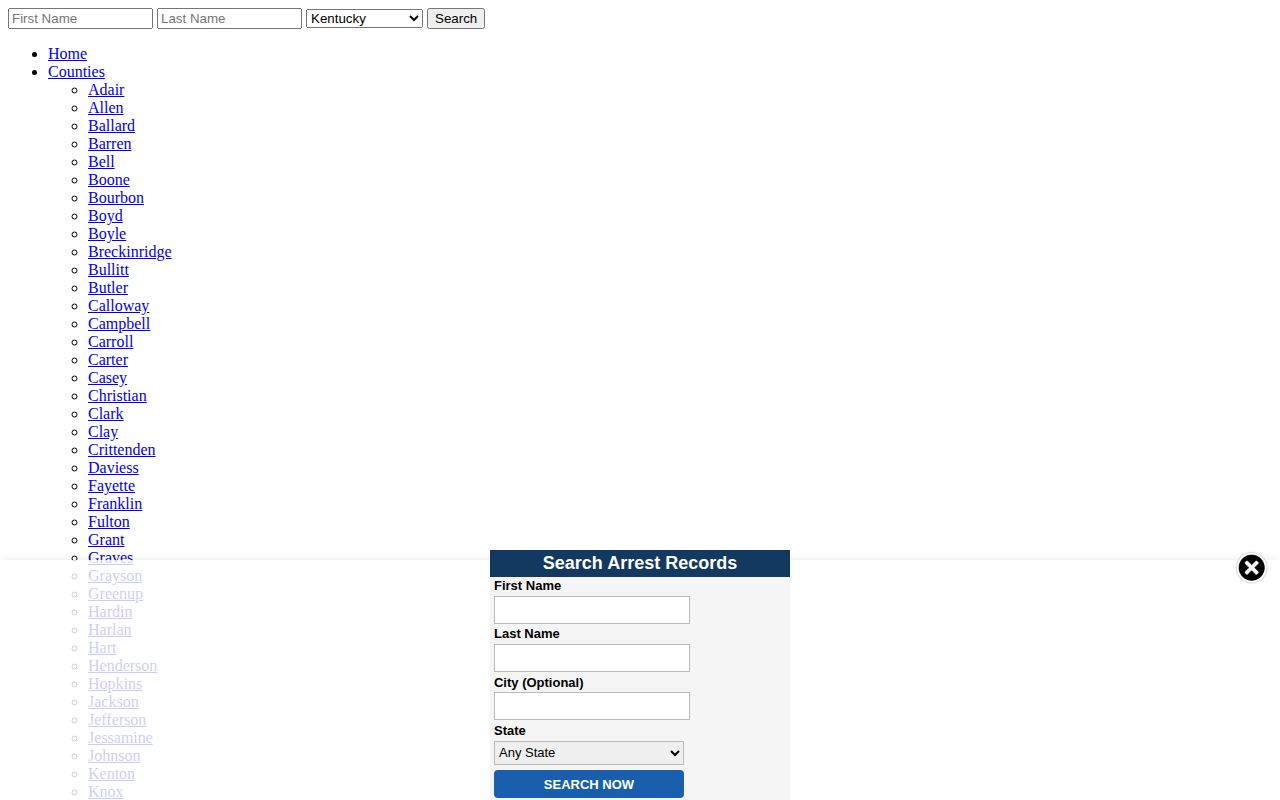
That layout is no LFUCG publication. It is not the county's complete arrest roster.
Busted Newspaper's Lexington tag reaches wider. It mixes Fayette with Jessamine, Scott, Mason, Grant, and other counties. A Lexington tag does not prove Fayette jurisdiction. Match the county and booking agency, then confirm the event with Community Corrections, LPD, or the court.
Fayette Crime News Adds Context
News stories add narrative to a Fayette arrest. Kentucky.com and the Herald-Leader, WKYT Crime, and LEX 18 Crime run rolling stories rather than a set roster. WKYT has credited Fayette County Detention Center photos in Lexington arrest reports. That credit does not make it the jail database.
The WKYT crime section shows a story-led feed.
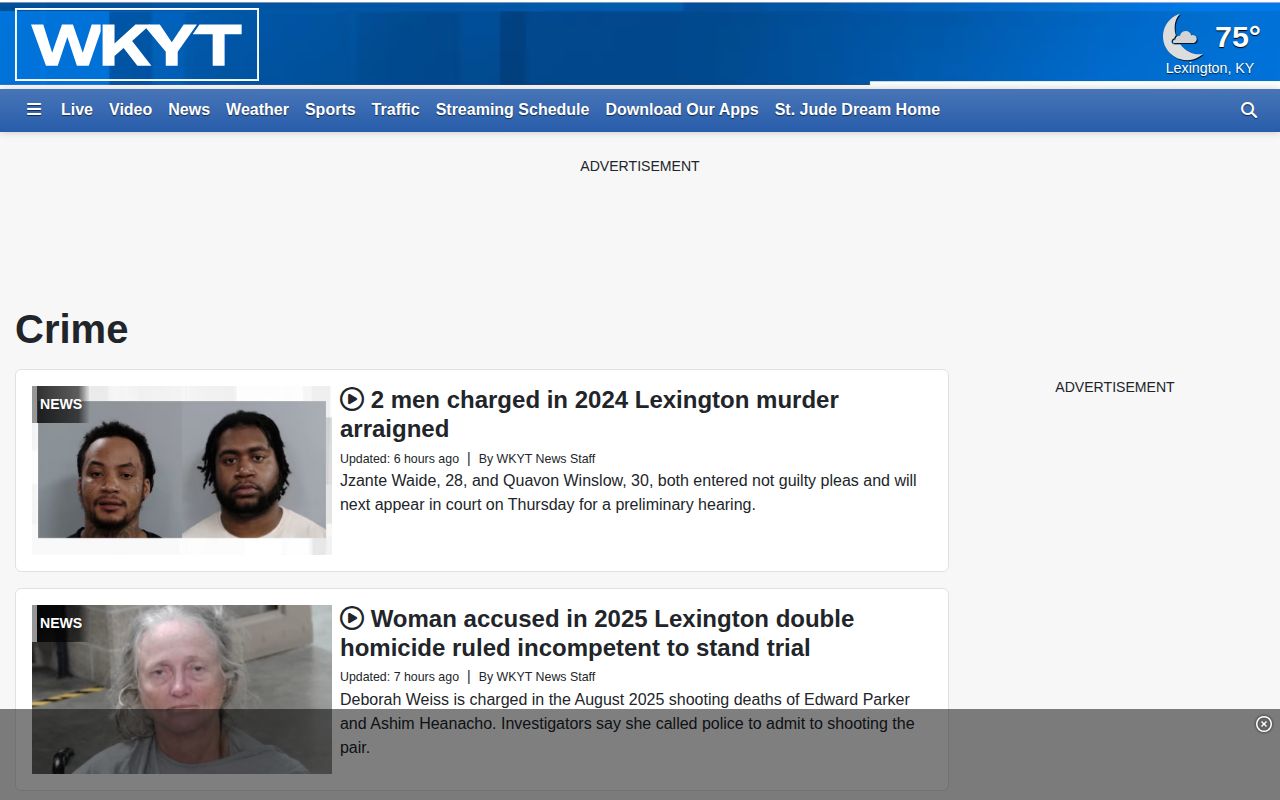
Editors pick stories by news judgment, so gaps say nothing about the real booking count. The LEX 18 crime section offers more rolling context.
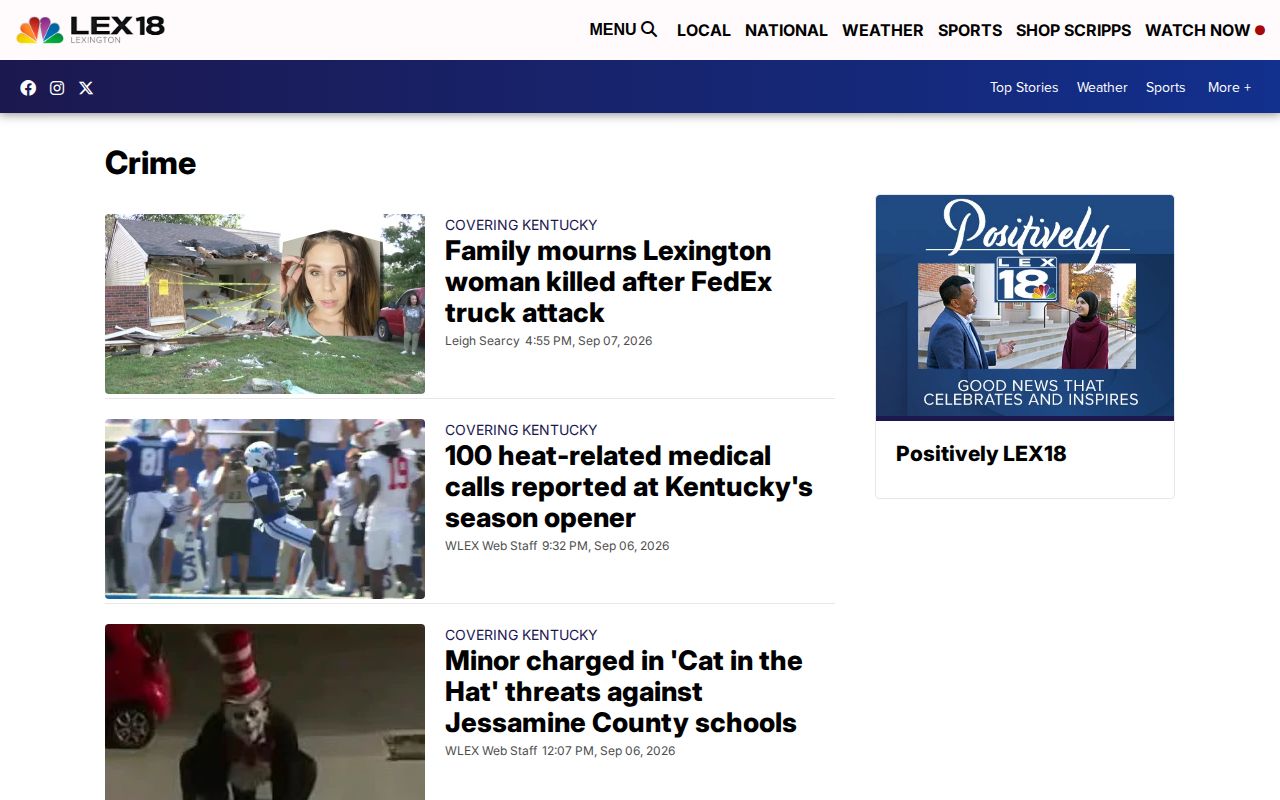
Photo use varies by story across Fayette crime coverage.
Crime Maps Are Not Arrest Logs
Lexington Police publishes a daily Community Crime Map plus NIBRS and monthly reports on its official crime-data page. Those products track incidents and trends. They do not list named inmates or everyone booked. An incident can occur without any jail booking. An arrest can also stem from a warrant or an event outside the map's chosen dates.
NIBRS stands for National Incident-Based Reporting System. It groups detailed incident data for statistics. It is not a booking record. Its timetable is not the jail's intake cadence. Use it to read patterns, not to decide whether one named person was arrested.
Note: Match a police incident number to the LPD record, and match a jail inmate ID to Community Corrections rather than blending the systems.
Archive Fayette Booking Records
Booking entries vanish from the public 48-hour view quickly. The record behind them lasts far longer. Lexington-Fayette's 2025 retention schedule spells this out in separate series. Series L4887 covers fingerprint files, which can hold booking and arrest details along with a mug shot, and carries a 50-year retention rule. L4893 covers digital booking photos kept by the Division of Detention. Those also stay on file for 50 years. Fingerprint cards fall under a different period entirely.
Retention rules bind the agency, though, not the web. A file that survives decades can still be sealed, exempt, redacted, corrected, or held elsewhere. Juvenile records face their own restrictions. For anything old, a focused LFUCG or LPD request is the strongest first step; the Fayette court clerk answers questions about how a case ended.
Deeper history lives elsewhere. Kentucky Judicial Indexes and the Kentucky Department for Libraries and Archives cover aged court and state-corrections material. Neither substitutes for a fresh FCDC booking, and neither is likely to hold a modern jail photo.
Fayette Arrest Claims Need Disposition
A Fayette booking log is a snapshot of intake. It shows the charge as it stood at booking. News outlets and secondary sites often repeat that starting charge long after the case has moved on. The courts decide what happens next: District Court takes initial criminal and traffic process plus many misdemeanors, Circuit Court handles felony prosecution, and the clerk's case file holds the final result.
A Fayette County arrest claim deserves a check against the court file. Start with the official Fayette County Courts page, which points to the clerk's office when CourtNet access runs thin. Cite the source date too, since booking records shift.